
One minute your child is laughing. The next, they're crying because their banana broke in half.
As adults, we know the banana isn't really the problem.
But for a young child, those feelings are very real.
Children aren't born knowing how to calm themselves, express emotions appropriately, or recover after disappointment. These are skills that develop over time with guidance, practice, and repeated experiences.
Just as children learn to read and write, they also have to learn how to regulate their emotions.
The good news?
Parents have more influence over this development than they often realize.
What Is Emotional Regulation?
Emotional regulation is the ability to recognize emotions, understand them, and respond in healthy ways.
It doesn't mean children never cry or become frustrated.
Instead, emotionally regulated children gradually learn how to:
Calm themselves after becoming upset.
Express emotions without hurting themselves or others.
Recover from disappointment.
Handle changes in routine.
Stay focused even when emotions become overwhelming.
Ask for help when they need it.
These skills don't appear overnight. They develop through thousands of small experiences during childhood.
Why Emotional Regulation Matters
When children struggle to regulate their emotions, everyday situations can feel overwhelming.
You may notice:
Frequent tantrums
Difficulty transitioning between activities
Trouble focusing
Increased anxiety
Impulsive behaviour
Aggression
Difficulty making friends
While these behaviours can be challenging, they're often signs that a child's nervous system needs support—not punishment.
When children feel emotionally safe, they can think more clearly, solve problems more effectively, and learn more successfully.
The Brain Needs Practice
Young children's brains are still developing.
The part of the brain responsible for planning, problem solving, emotional control, and impulse management—the prefrontal cortex—continues developing well into early adulthood.
Because of this, children naturally rely on trusted adults to help them regulate difficult emotions.
This process is called co-regulation.
Each time you help your child calm down instead of simply telling them to "calm down," you're helping strengthen the brain pathways they'll eventually use independently.
Think of it like training wheels on a bicycle.
Eventually they won't need the extra support.
But first, they need someone beside them.
Regulation Before Reasoning
Many parents try to explain or correct behaviour while their child is in the middle of a meltdown.
Unfortunately, this is usually the time when children are least able to listen.
When emotions become overwhelming, the brain shifts into survival mode.
Learning, reasoning, and problem-solving temporarily take a back seat.
Instead of asking,
"Why did you do that?"
try asking, "What does my child need right now to feel safe enough to calm down?"
Once children become regulated, they're much more capable of listening, learning, and discussing what happened.
Simple Ways to Help Your Child Regulate
You don't need expensive equipment or hours of free time.
Small, consistent moments make the biggest difference.
1. Stay Calm Yourself
Children often borrow the emotional state of the adults around them.
Your calm voice becomes an anchor for their nervous system.
2. Name the Emotion
Instead of saying,
"Stop crying."
Try, "You're feeling really disappointed."
Naming emotions helps children build emotional awareness and vocabulary.
3. Use Movement
Movement helps organize the nervous system.
Try:
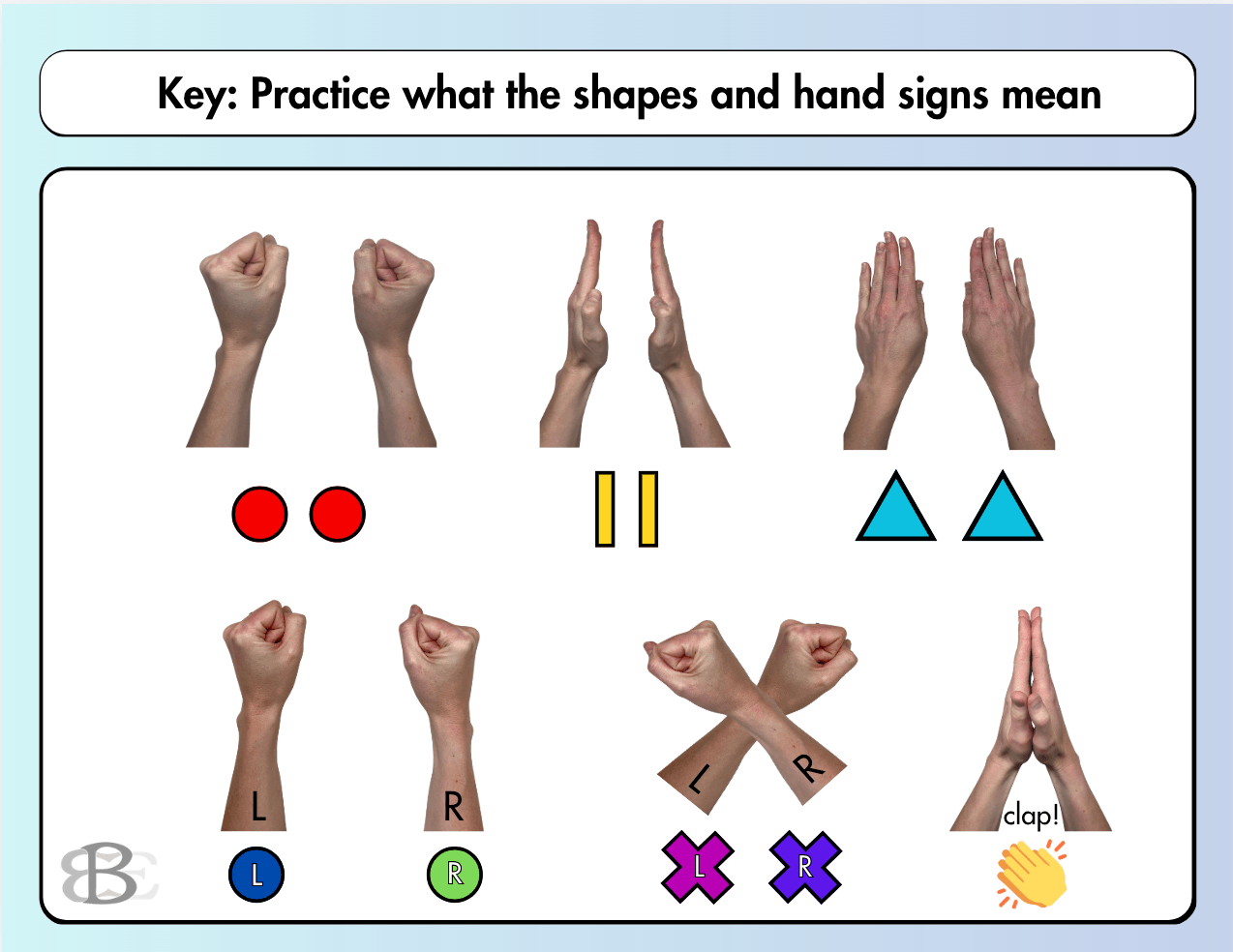
Clapping patterns
Hand tapping
Animal walks
Stretching
Dancing
Crossing the midline activities
These simple movements help engage both sides of the brain and often make it easier for children to regain focus.
4. Offer Deep Pressure
Many children respond well to calming forms of deep pressure, such as:
Firm hugs (if welcomed)
Squeezing a pillow
Rolling a therapy ball gently over the body
Weighted lap pads (when appropriate)
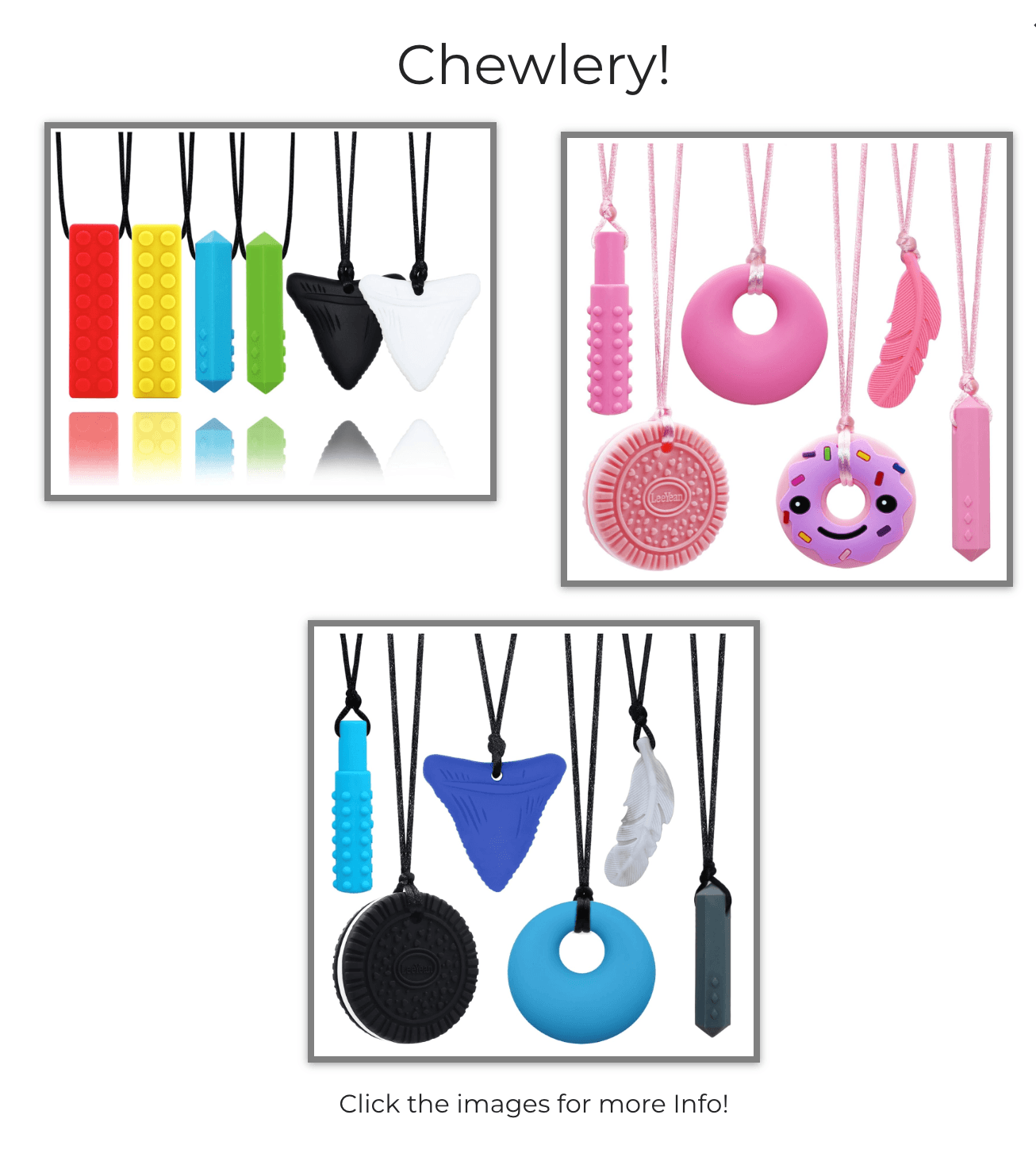
Regulation bands or wearable sensory tools
Deep pressure provides proprioceptive input, which many children find calming and organizing.
5. Build a Calm-Down Routine
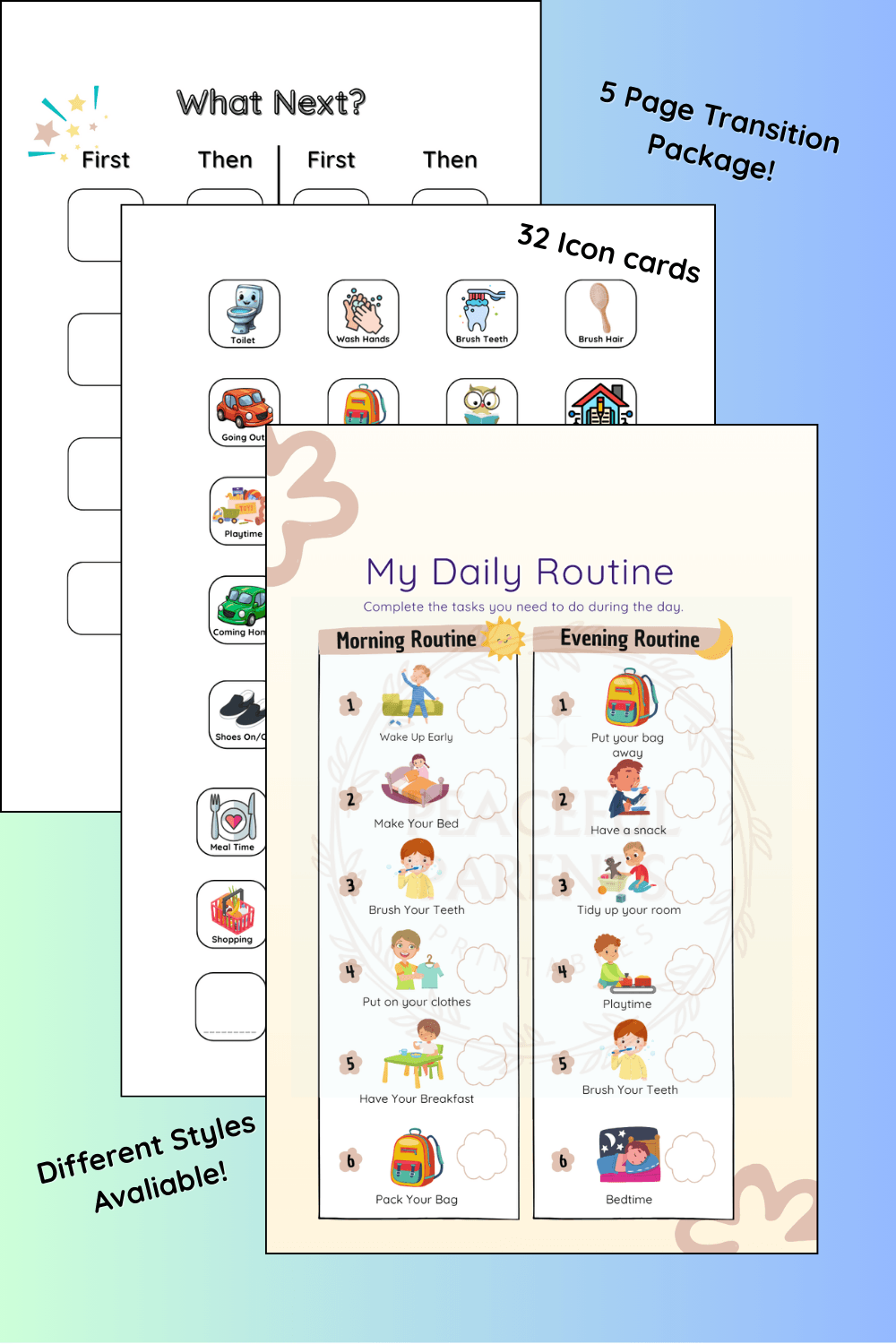
Children thrive with predictable routines.
Create a simple sequence such as:
Take two quick breaths and one slow breath out. Repeat
Squeeze a regulation tool.
Do five hand taps.
Count to ten.
Talk about what happened later.
Over time, this routine becomes familiar, making it easier for children to regulate when emotions run high.
Emotional Regulation Is a Skill—Not a Personality Trait
Some children naturally appear calmer than others.
That doesn't mean emotional regulation is something children either have or don't have.
Like reading, riding a bike, or tying shoes, regulation improves with practice.
Every calming experience strengthens the brain.
Every supportive conversation teaches emotional awareness.
Every successful recovery builds confidence.
Progress Looks Different for Every Child
One child may learn to take deep breaths.
Another may need movement before they can sit and listen.
Some children need quiet spaces.
Others need sensory input.
There isn't one "correct" strategy.
The goal isn't to eliminate emotions.
The goal is to help children move through emotions in healthy ways.
The Long-Term Benefits
Children who develop strong emotional regulation skills are more likely to:
Build healthy friendships.
Handle frustration more effectively.
Develop resilience after setbacks.
Stay focused at school.
Solve problems independently.
Communicate their needs respectfully.
Develop greater self-confidence.
Experience improved emotional well-being.
These aren't just childhood skills—they're life skills.
Final Thoughts
Every child experiences frustration, sadness, excitement, fear, and disappointment.
The difference isn't whether children have big feelings.
The difference is whether they have the tools to work through those feelings.
As parents, we don't have to eliminate every challenge our children face.
Instead, we can teach them how to face challenges with confidence, calmness, and resilience.
One small moment of co-regulation today helps build a stronger, more capable adult tomorrow.
Ready to Help Your Child Build Self-Regulation?
At BooBoo Buddies, we believe children learn best through play, movement, and connection. Our regulation tools are designed to provide calming sensory input while helping children build lifelong self-regulation skills—one moment at a time.
Explore our collection and give your child another tool for their emotional toolbox.

Created with © systeme.io